
What makes a great rider? Is it flawless machine control? Or total awareness and constant assessment of your surroundings? We’d argue that it’s a combination of the two, maybe with a sprinkling of the right attitude on top. But all of that stuff is only possible if you have got the basics of riding a motorcycle right, and unfortunately these skills don’t always get practiced very much after the motorbike licence test. Anyone with small children can tell you that running before you can walk properly is possible, but doing it comes with a high chance of tumbles – the same principle applies here…
These skills may seem pretty basic to experienced riders, but they are often overlooked and ignored, which means not all riders are as good at them as they may think. Regardless of your starting point, one thing’s for sure: getting the basics right will make the whole business of motorcycling a much easier and more enjoyable affair.
We talked to riding experts from Phoenix Motorcycle Training, the UK’s largest motorcycle training provider, to identify key areas of improvement for most riders, and to get some tips about how to get the basics right every time.
U-turn
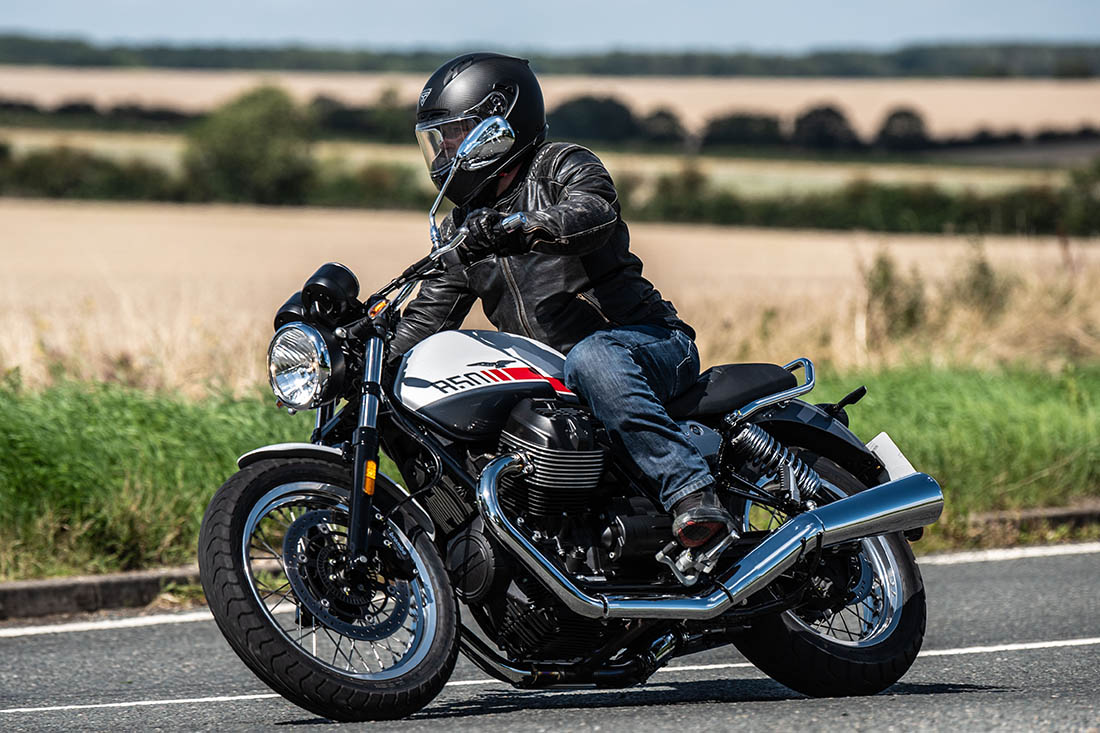
A well-executed U-turn is a thing of beauty, and can get you out of trouble in style. And the only way to make sure you get your U-turn right every time, is to practice it again and again. Even if it feels a bit weird to do as an experienced motorcyclist, there’s nothing wrong with heading out to a quiet car park to do some figures of eight and U-turns. Practicing these basic skills can be a really great way to boost your confidence, especially if you’ve got a new bike or been out of the saddle for a few months.
The basics of a U-turn are pretty simple, just concentrate on getting the feel for the controls right, look where you want to go, and don’t panic.
Before you even turn a wheel, check for traffic and hazards, including the road surface on your intended route. Planning a turning radius as large as possible, will make the job easier. If it’s safe move off, do a lifesaver check, look where you want to go, and off you go.
When you’re on the move, you need to find the sweet spot of engine revs and drive, by balancing the throttle, clutch and sometimes the rear brake.
When there’s plenty of space, you can do a U-turn just on tick over without the other controls. However, if the space is tight or you need to ride really slowly, it helps to slip the clutch and apply light and consistent rear brake to keep the bike stable and easier to turn.
It may help to move your body to the outside of the turn to stop the bike wanting to fall into the turn, and if it helps to dab your foot on the ground, that’s fine.
Then just keep practising until it becomes second nature. And trust us, it will, sooner than you think!
Emergency stop
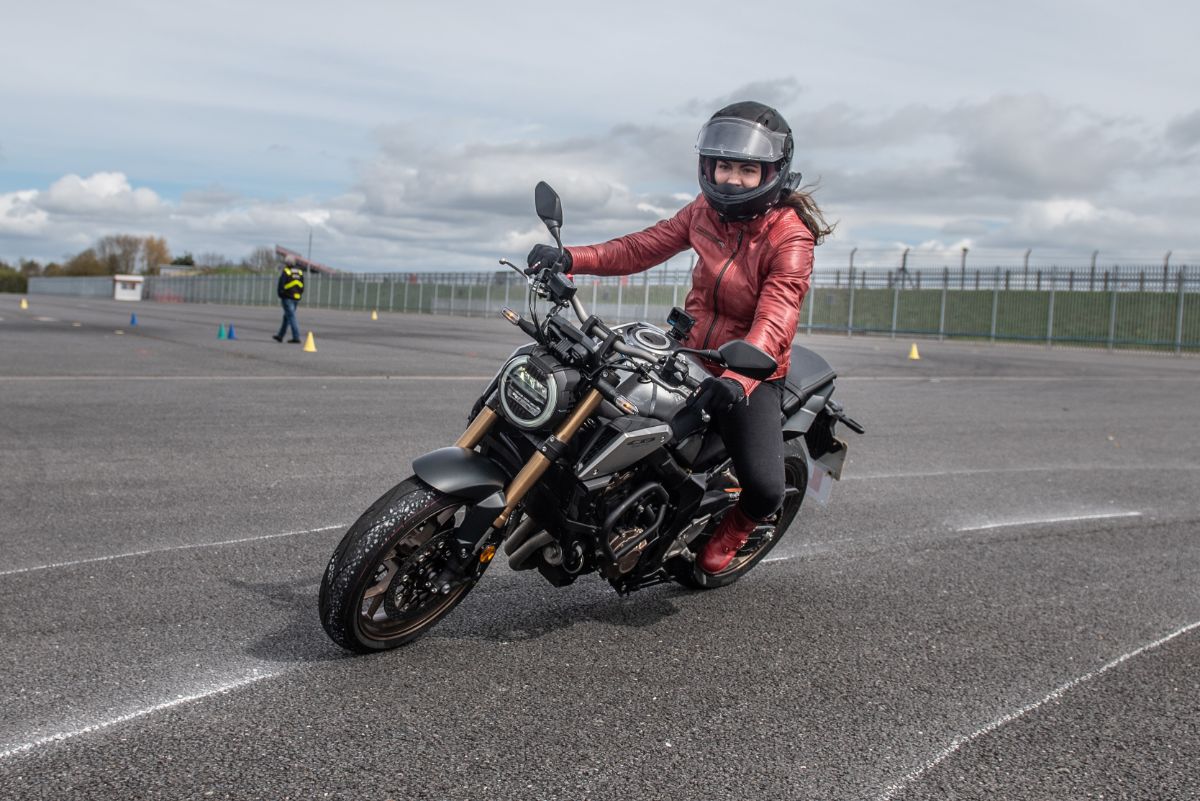
We all love riding motorcycles, but we’re also very aware that when things go wrong, they usually do so very rapidly, and with little warning. In those situations, being able to do an effective emergency stop is key.
Although the principles of emergency braking are largely universal, the most effective way to stop a motorbike depends on several variables such as bike geometry, equipment and load. However, in all cases, key to effective braking is to make sure your braking is gradual and progressive.
Apply the pressure to the brakes quickly, progressively and smoothly, first fairly gently to let the suspension compress, before adding more pressure as the tyre is pushed to towards the ground for more grip. The process is gradual, but needs to happen pretty quickly to be effective, so you need to practice applying the brakes as fast as you can safely do so.
A really good technique is:
- Throttle off
- Little bit of front brake
- Little bit of back brake
- Then load more, more, more on the front
- Clutch in
Although you need to brake hard to stop the bike quickly, you need to be careful not to lock the wheels and lose control, and as you are braking, you will also need to remember to shift down the gears to be ready to go again after you have come to a standstill. During braking, try to look further ahead (not the front wheel) to get a better idea of what’s happening and also to keep the bike more balanced.
And that’s pretty much emergency braking in a nutshell. If you want to know more, you can read more about emergency braking here.
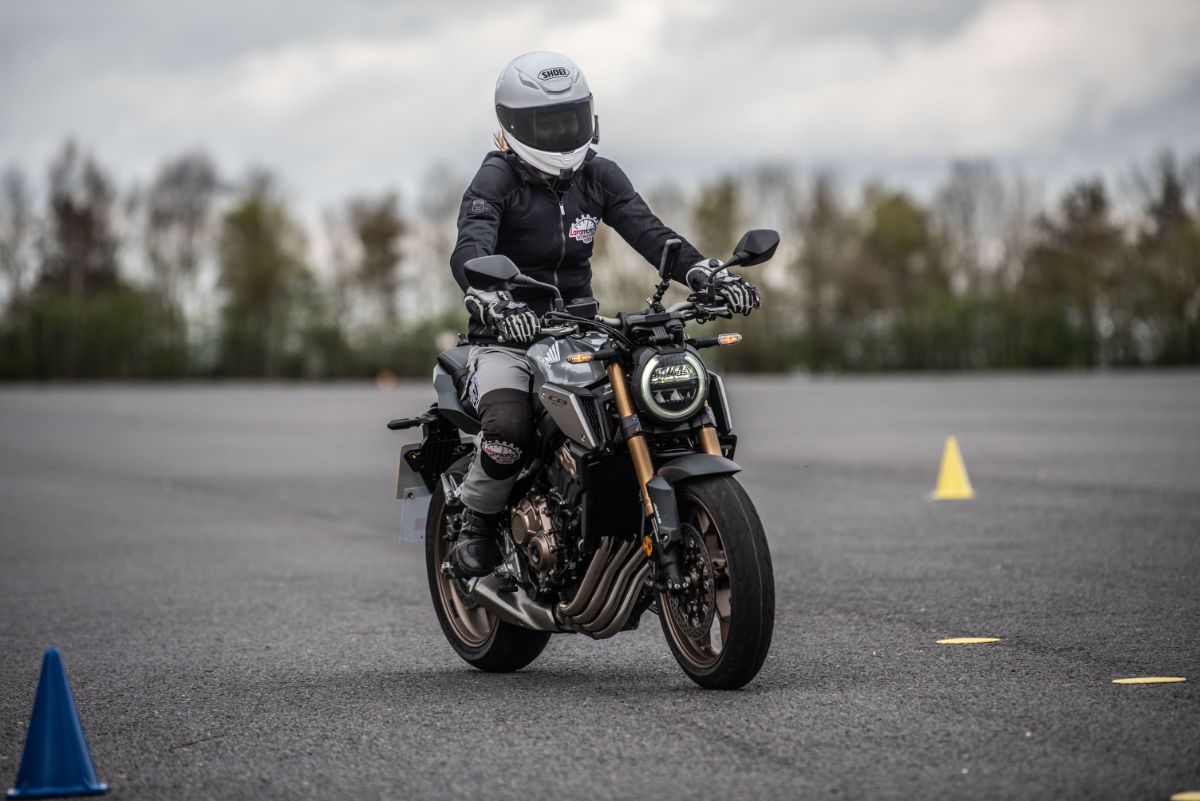
Braking in a corner
The golden rule is to do your braking on a straight bit of road, before the corner, whenever possible. But we all know it doesn’t always go like that – situations develop quickly, and sometimes we need to brake mid-corner. But that’s ok, because if done correctly, it’s perfectly safe.
What you should NOT do is brake too harshly, losing grip, and lowsiding the bike. You need to be very smooth with the braking action in a corner.
When you brake in a corner, the bike will want to ‘stand up’ and go straight, so you need to counter-steer to keep the line. However, it’s a fine balance; there’s only a finite amount of grip available, and the more you use for braking, the less there is for turning. When you run out of grip, only the likes of Marc Márquez can keep it shiny side up.
If you have space, and it’s safe to do so, you can let the bike sit up and straighten the line under braking. This will help you stop sooner, but you will be off your intended line, so you need to be sure that it’s clear.
Looking where you want to go is important too. Target fixation is a common problem, and if you stare at something you don’t want to hit, the chances are that you will be heading exactly that way. Instead, try to scan your surroundings, find an exit route, and concentrate on that.
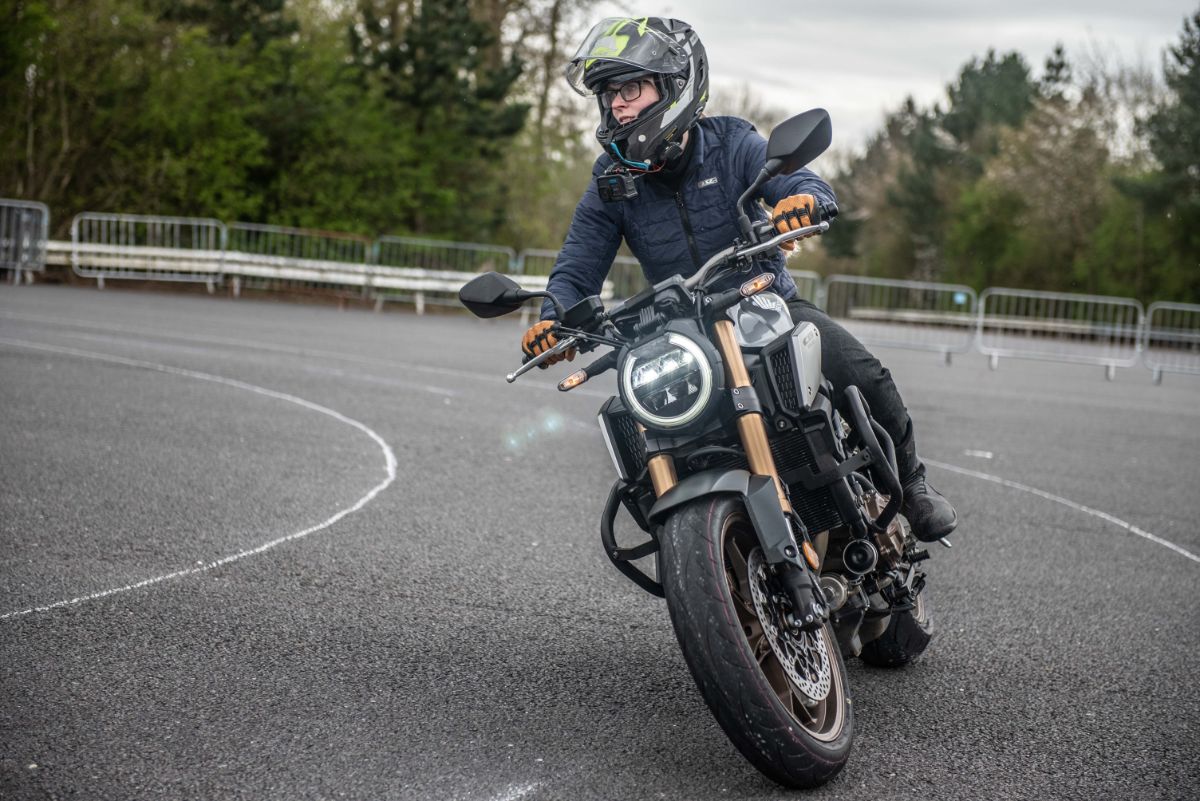
One final tool at your disposal, as you are entering a corner, is trail braking. We have covered that, and more detail about corner braking in a separate article, so if you want to know more you can read it elsewhere on the Insidebikes website.
